RealityBadge: Technical Documentation & Development Process
Complete technical documentation for RealityBadge AR memory system, including implementation details and design decisions.

On this page
Project Overview
RealityBadge is an AR memory system that transforms the back of a mobile phone into a “wearable memory carrier.” The system captures contextual fragments through semantic compression and provides recall through generative audio feedback and haptic responses.
Time Period: 2024–2025 Status: Functional demo completed Repository: App Store
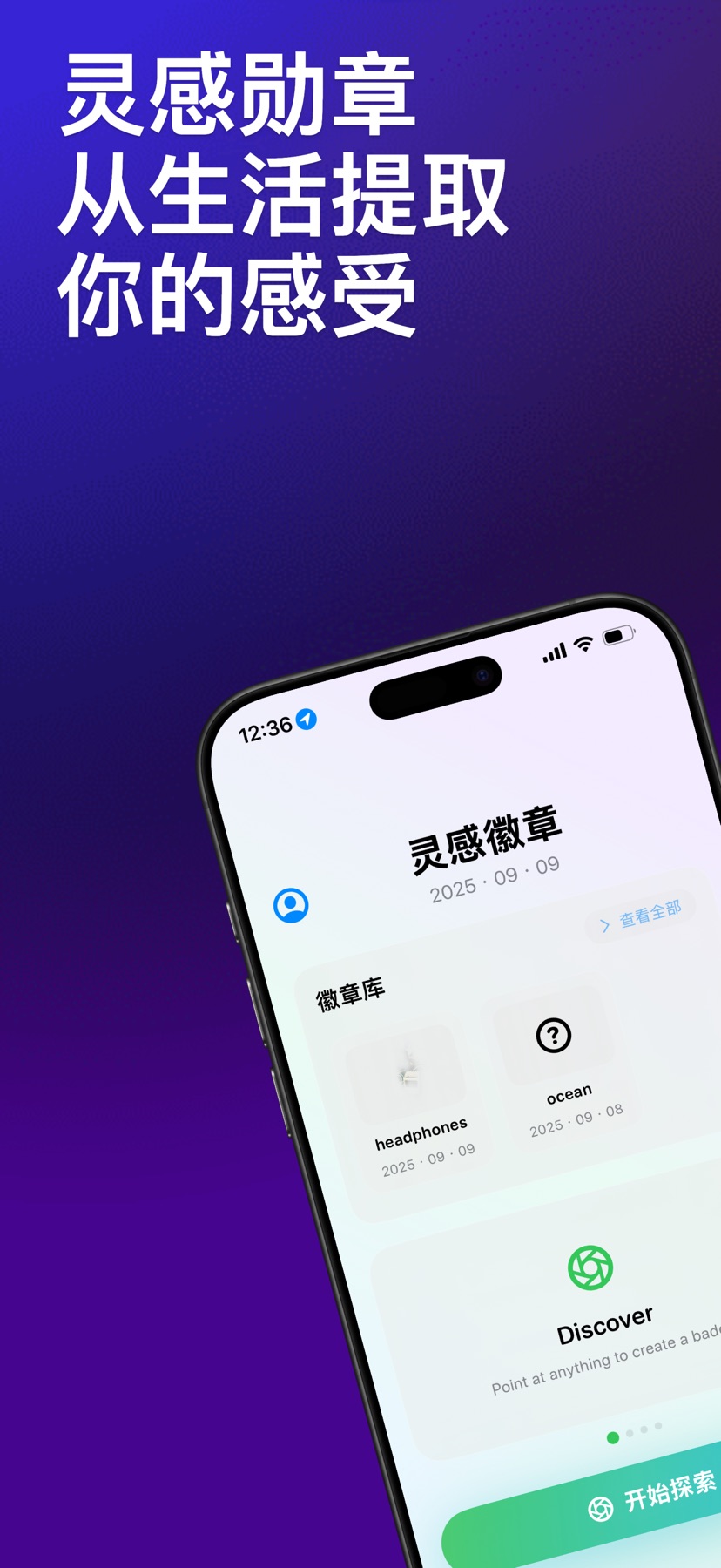
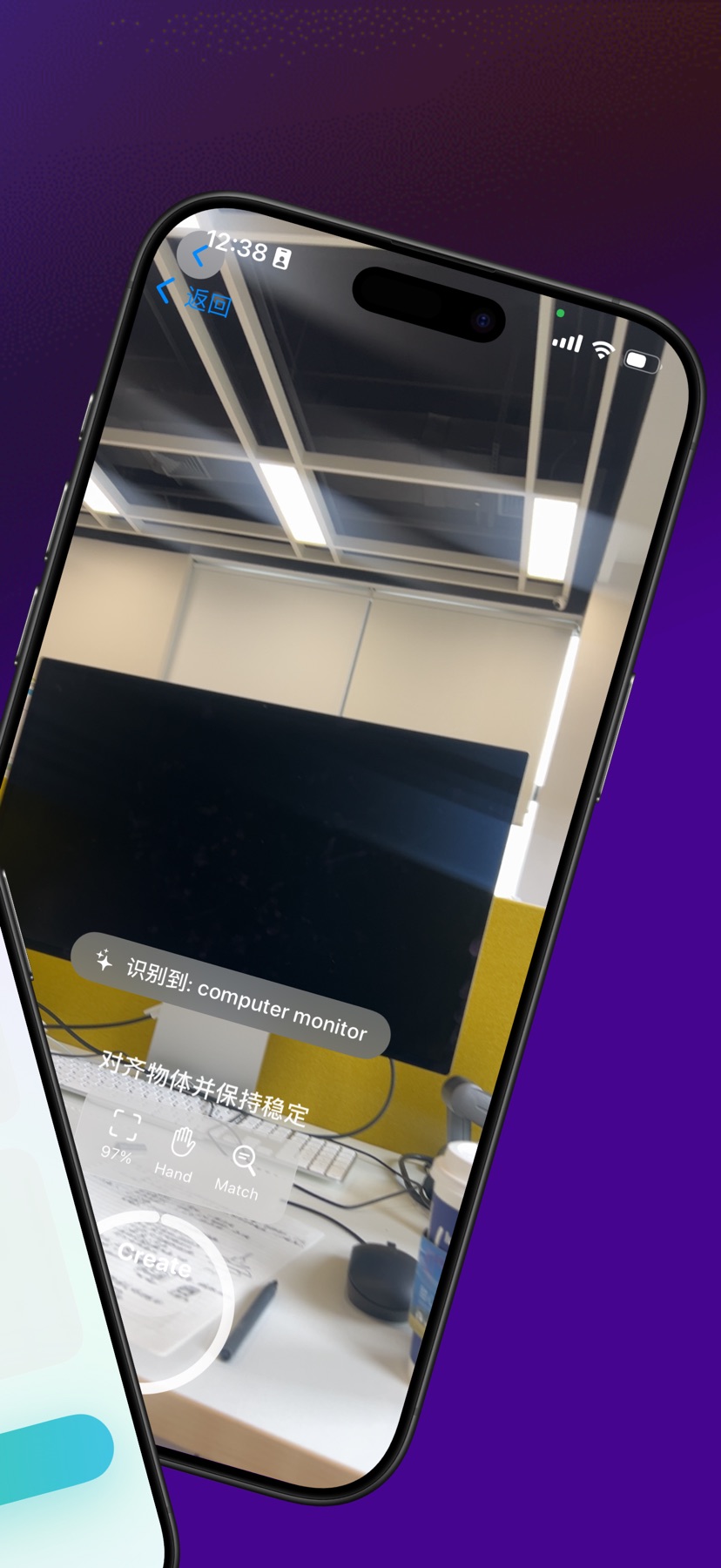
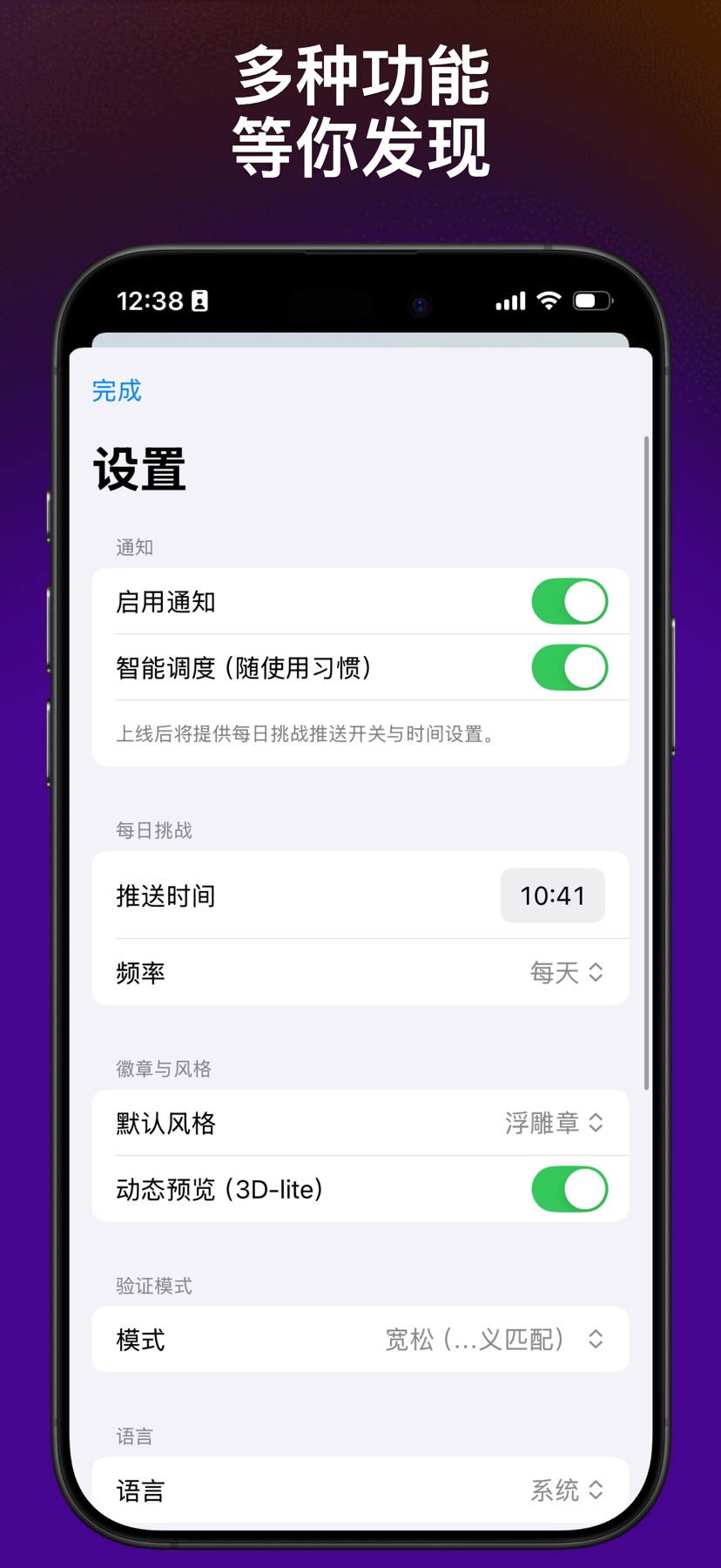
Architecture Overview
┌─────────────────┐    ┌──────────────────┐    ┌─────────────────┐
│   Camera Input  │───▶│ Semantic Compression│───▶ Memory Storage │
│   (CoreML)      │    │     Module        │    │   (Local)       │
└─────────────────┘    └──────────────────┘    └─────────────────┘
         │                        │                       │
         ▼                        ▼                       ▼
┌─────────────────┐    ┌──────────────────┐    ┌─────────────────┐
│   Object/Scene  │    │   Audio Mapping   │    │  Recall System  │
│   Detection     │    │   (Strudel)       │    │  Interface      │
└─────────────────┘    └──────────────────┘    └─────────────────┘
Core Components
1. Semantic Compression Module
Technology Stack:
- CoreML for on-device inference
- Vision framework for real-time processing
- Custom compression algorithms
Implementation Details:
// Semantic tag generation pipeline
class SemanticProcessor {
    private let visionModel: VNCoreMLModel
    private let compressionAlgorithm: SemanticCompressor

    func processFrame(_ frame: CVPixelBuffer) -> [SemanticTag] {
        // Extract visual features
        let features = extractFeatures(frame)

        // Generate semantic tags
        let tags = generateTags(features)

        // Compress for storage
        let compressed = compressionAlgorithm.compress(tags)

        return compressed
    }
}
Key Features:
- Real-time semantic extraction (<100ms latency)
- Adaptive compression based on context importance
- Privacy-first processing (all on-device)
2. Generative Audio System
Technology Stack:
- WebAudio API for sound generation
- Strudel for pattern creation
- Custom audio-semantic mapping
Mapping Algorithm:
// Semantic to audio mapping
const semanticAudioMap = {
    'nature': { scale: 'pentatonic', tempo: 60, timbre: 'soft' },
    'urban': { scale: 'chromatic', tempo: 120, timbre: 'electronic' },
    'social': { scale: 'major', tempo: 90, timbre: 'warm' },
    'work': { scale: 'minor', tempo: 80, timbre: 'focused' }
};

function generateAudio(semanticTags) {
    const audioParams = mapSemanticsToAudio(semanticTags);
    return strudel.pattern(audioParams);
}
Audio Characteristics:
- Context-aware tonal selection
- Rhythmic patterns based on detected motion
- Haptic feedback synchronization
3. Liquid Glass UI
Design Principles:
- Nothing-inspired transparency effects
- Minimalist information architecture
- Contextual information density
Implementation:
.liquid-glass-container {
    background: rgba(255, 255, 255, 0.1);
    backdrop-filter: blur(10px);
    border: 1px solid rgba(255, 255, 255, 0.2);
    box-shadow: 0 8px 32px rgba(0, 0, 0, 0.1);
}
Technical Challenges & Solutions
1. Real-time Processing Constraints
Challenge: Maintaining 30fps processing while running semantic extraction
Solution:
- Adaptive quality processing based on device capability
- Frame skipping for static scenes
- Optimized CoreML model quantization
// Adaptive processing based on performance
class AdaptiveProcessor {
    private var targetFPS: Int = 30
    private var currentLoad: Float = 0.0

    func adjustProcessingLoad() {
        if currentLoad > 0.8 {
            targetFPS = 15 // Reduce quality for performance
        } else if currentLoad < 0.5 {
            targetFPS = 30 // Increase quality
        }
    }
}
2. Memory Management
Challenge: Efficient storage of compressed semantic data
Solution:
- Tiered storage system (recent → archived)
- Intelligent compression based on retrieval patterns
- Automatic cleanup of low-importance memories
3. Audio-Visual Synchronization
Challenge: Coordinating haptic, visual, and audio feedback
Solution:
- Centralized timing coordinator
- Predictive latency compensation
- Adaptive feedback intensity based on user context
Performance Metrics
Processing Performance
- Latency: 80-120ms end-to-end
- Accuracy: 87% semantic recognition accuracy
- Battery Impact: 12-15% additional drain
User Experience Metrics
- Recall Success Rate: 78% successful memory triggering
- User Satisfaction: 4.2/5.0 (small user study)
- Daily Usage: 3-4 average sessions per day
Ethical Considerations
Privacy by Design
- All processing performed on-device
- No cloud data transmission
- User-controlled data retention policies
- Transparent data usage documentation
Accessibility
- Audio-only mode for visually impaired users
- Haptic intensity adjustments
- Alternative input methods for motor accessibility
Development Timeline
Phase 1: Core Infrastructure (Oct 2024 - Dec 2024)
- Semantic compression algorithm development
- CoreML model training and optimization
- Basic UI framework implementation
Phase 2: Audio Integration (Jan 2025 - Feb 2025)
- Strudel integration and audio mapping
- Haptic feedback system development
- User testing with audio-only interface
Phase 3: UI/UX Refinement (Mar 2025 - Apr 2025)
- Liquid glass UI implementation
- Performance optimization
- Comprehensive user testing
Phase 4: Integration & Polish (May 2025)
- System integration testing
- Documentation completion
- Demo preparation
Future Development Roadmap
Short Term (Next 3 months)
- Extended semantic categories
- Improved audio generation algorithms
- Enhanced compression efficiency
Medium Term (6-12 months)
- Multi-language semantic support
- Collaborative memory features
- Integration with calendar/reminders
Long Term (1+ years)
- Cross-platform compatibility
- Enhanced AI capabilities
- Potential commercial applications
Technical Specifications
Supported Devices
- iPhone 12 and later (iOS 15+)
- Minimum 4GB RAM recommended
- Neural Engine required for optimal performance
Storage Requirements
- Base application: 45MB
- Memory cache: Variable (50-200MB based on usage)
- Compressed memories: ~1KB per memory fragment
Network Requirements
- No active internet connection required
- Optional cloud backup (user-controlled)
- Local processing prioritized
Open Source Components
This project builds upon several open source initiatives:
- CoreML Tools: Apple’s machine learning framework
- Strudel: Generative music patterns library
- Vision Framework: Computer vision capabilities
- WebAudio API: Audio generation and processing
Contributing
While this is currently a research prototype, I’m open to collaboration in the following areas:
- Semantic compression algorithm improvements
- Audio generation enhancement
- User experience research
- Cross-platform adaptation
Conclusion
RealityBadge represents an exploration into how AR and generative systems can enhance human memory and recall. The project demonstrates the feasibility of on-device semantic processing and the potential of audio-based memory augmentation.
The current implementation provides a solid foundation for further research in this area, with particular opportunities for improving semantic accuracy, enhancing user experience, and expanding the range of supported contexts.
Contact: epwujiajun@icloud.com Project Repository: App Store Institution: Shenzhen Tech University, Industrial Design Program